Asus Phone Camera Source Code Hacked but No Impact on Products or User Privacy
The camera source code for Asus phones has been compromised, but the company assures that it hasn't affected its products or the privacy of users.
Recent in
The camera source code for Asus phones has been compromised, but the company assures that it hasn't affected its products or the privacy of users.
This innovative device lights up the term 'glasshole' when detecting Ray-Ban Meta smart glasses, sparking discussions on privacy and technology.
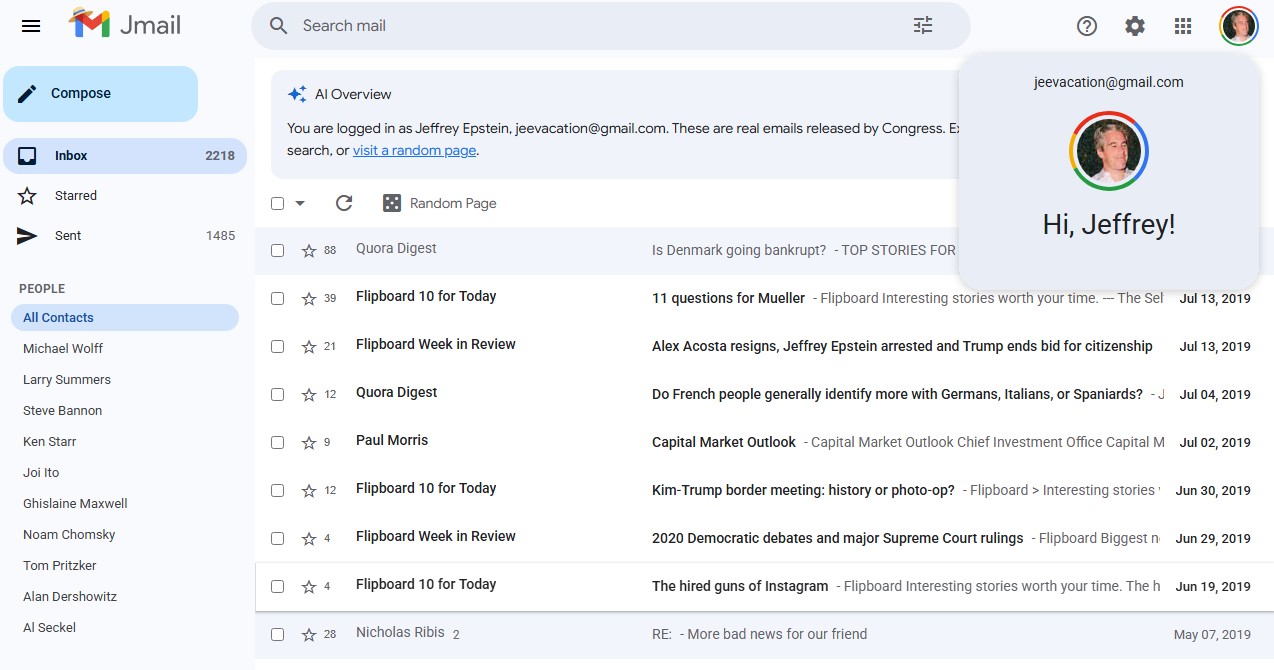
A new interactive project allows users to explore emails linked to Jeffrey Epstein through a familiar Gmail interface, raising questions about data access and privacy.
Microsoft's OneDrive is under scrutiny for its new AI-driven face recognition feature that is automatically enabled and can only be turned off a limited number of times per year.
Following an investigative report, Microsoft has halted services to the Israeli military, citing evidence of privacy violations.
A widely used Chrome VPN is suspected of capturing unauthorized screenshots and spying on users' locations, raising concerns over its security practices.
Concerns have arisen as users discovered their ChatGPT conversations could appear in Google searches. OpenAI has now disabled this feature following privacy concerns.
Innovative research reveals a new way to track individuals using Wi-Fi signals, igniting debates on privacy.
The UK Government is resolute in its stance to uphold the Online Safety Act, despite a petition gathering nearly 388,000 signatures requesting its repeal.
PewDiePie shares his journey of moving away from Google services using a Steam Deck as a vital tool.
The new export feature for Windows Recall aims to enhance user control over captured data, but it is currently limited to users in the European Economic Area.
The latest OpenAI chatbots have the capability to determine locations from images shared on social media, raising privacy concerns.
Discord is testing a new age verification process requiring users in Australia and the UK to scan their faces or IDs to access certain content.
A new trend reveals that pixelation in videos is easily decoded, raising concerns about online privacy.
Amazon terminates a rarely used voice recording opt-out feature on its Echo devices, affecting only a small fraction of users.
Meta has agreed to discontinue ad tracking for a specific individual in a settlement that underscores the feasibility of opting out of targeted advertising.
Square Enix addresses privacy concerns in Final Fantasy 14 with major changes to its blacklist feature.
A man named Arve Hjalmar Holmen has filed a complaint after ChatGPT generated false accusations against him following a query with his name.
The new horror game "Eyes Never Wake" demands players hide from an in-game monster by using their webcams, raising unique gameplay and privacy concerns.
Mozilla faces backlash after announcing changes to Firefox's data privacy policy, leaving many users questioning their trust in the browser.

Every week we share the most relevant news in tech, culture, and entertainment. Join our community.
Your privacy is important to us. We promise not to send you spam!