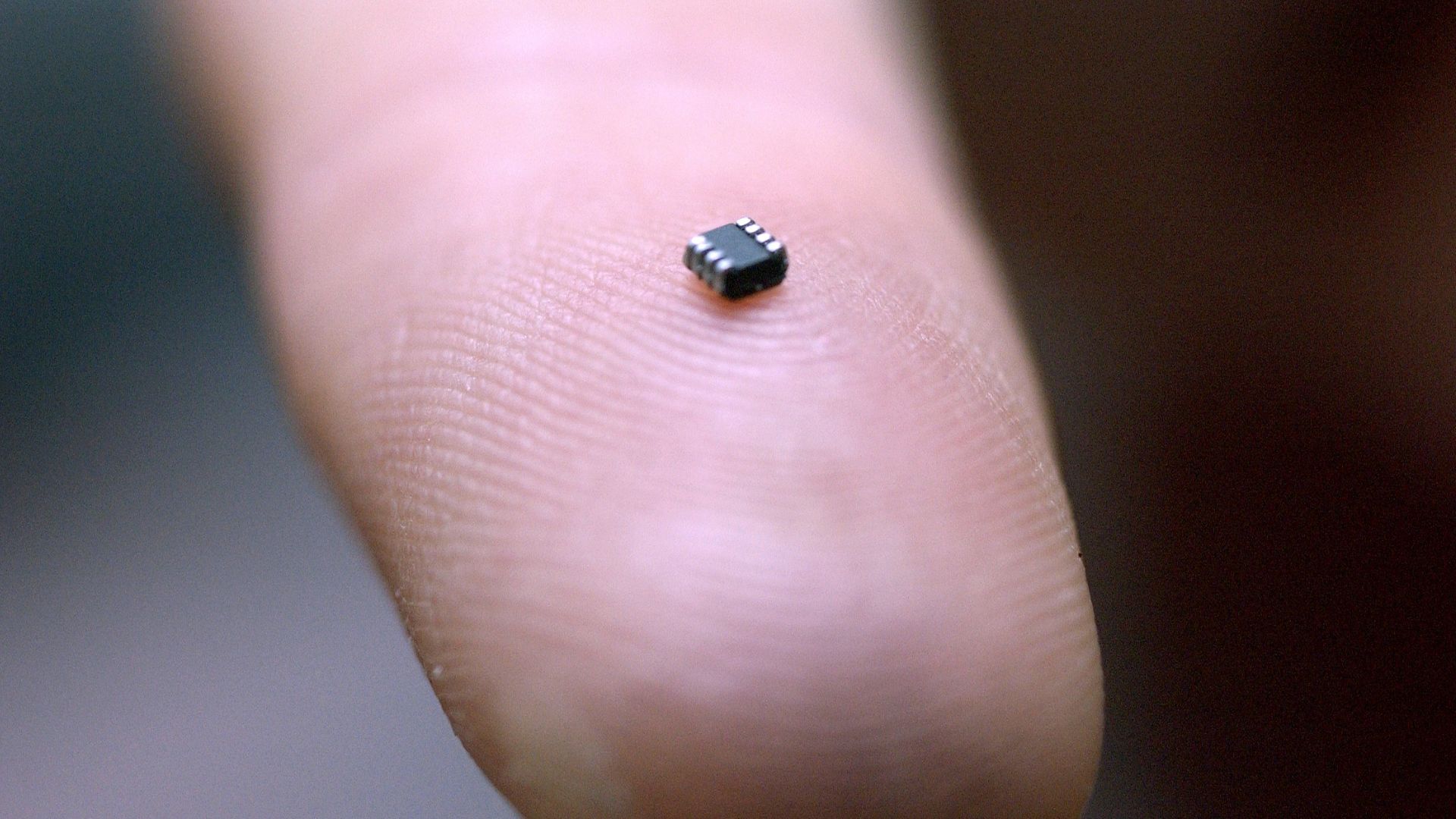
In a surprising twist, Motorola, back when it was under Google’s wing, was exploring a groundbreaking innovation: a password pill. This device was intended to turn the human body into an authentication tool. As reported, the pill contained a microchip that would dissolve in your stomach, sending out an 18-bit signal from the body.
Regina Dugan, who was leading research at Motorola at the time, noted, “Essentially, your entire body becomes your authentication token.”
This pill was designed to be consumeable in quantities up to 30 per day and was deemed non-toxic, which was certainly a positive aspect.
Interestingly, Dugan emphasized the need for such innovations, reflecting on the ‘mechanical mismatch’ between humans and electronic devices. The team also looked into other futuristic ideas, such as a password tattoo that would integrate more seamlessly with the human form.
Dennis Woodside, then the CEO of Motorola, mentioned, “This isn’t stuff that’s going to ship anytime soon, but having the boldness to think differently about everyday problems is crucial for Motorola.”
Later, Motorola was sold to Lenovo for $2.91 billion, which was considerably less than what Google had invested beforehand, even though they injected additional funds to support its patent portfolio.