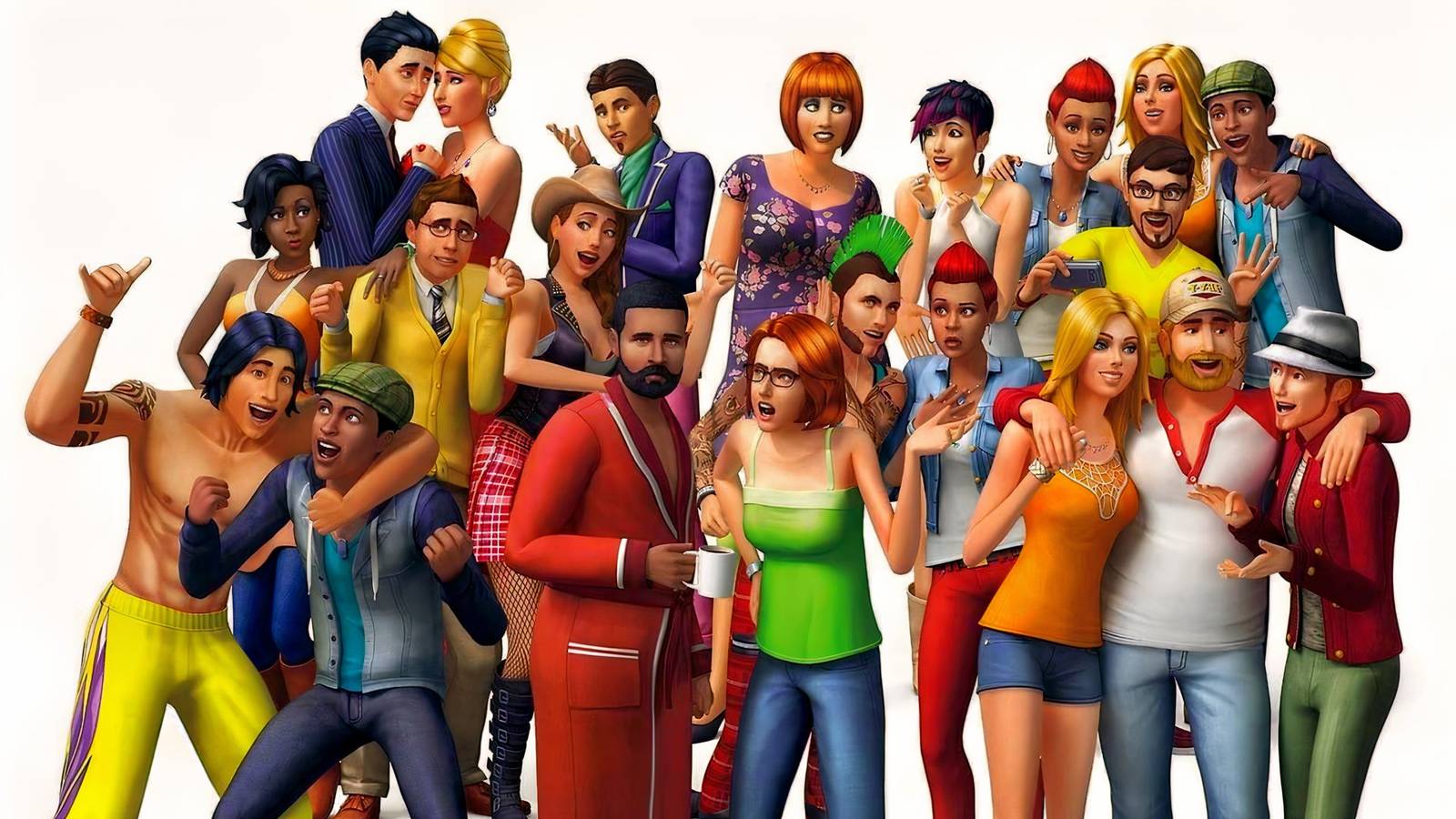
The Sims' 25th Anniversary Brings Nostalgia but Needs Fan Modding for Playability
The recent re-release of The Sims 25th Birthday Bundle exposes issues related to game preservation and the reliance on fan-created patches to maintain functionality.
For over a decade, The Sims and The Sims 2 existed in the digital purgatory known as abandonware. You couldn’t buy them on Origin or find them on Steam, and unless you still had your original discs from the early 2000s, the only way to play these iconic life simulation games was through the legal grey area of archive sites.
That changed with Electronic Arts’ recent release of The Sims 25th Birthday Bundle. For $39.99, players were promised a nostalgic trip back to Pleasantview and Old Town. However, many found their experience halted at the launch screen.
This release has shed light on a troubling aspect of game preservation: a billion-dollar publisher offering a product that is technically inferior to the ‘pirated’ versions maintained by dedicated fans.
The Sims community has spent years building an infrastructure of patches, launchers, and bug fixes to keep these games alive on modern hardware. EA’s re-release largely disregards this community effort, selling a ’legacy’ experience that often does not function correctly on current operating systems.
A Legacy of Broken Code
Instead of a definitive remaster, the Sims 25th Birthday Bundle launched in a state that players described as fundamentally broken, with significant instability, including corrupted textures and crashes that result in lost progress.
Reports from the Sims community indicate that the new Legacy Collections of The Sims and The Sims 2 have reintroduced—if not failed to fix—decade-old compatibility issues. Players have reported bugs that prevent Sims from receiving career promotions or secondary aspirations, ultimately breaking the core gameplay loop.
Graphical glitches like the infamous ‘black square’ shadows, caused by outdated rendering techniques, appear unchanged or have morphed into new visual errors. Complaints about missing sound, broken video, and glitching animations have inundated the EA forums. This highlights that the Legacy Collection scarcely addresses the compatibility issues of a DirectX 9 game operating on Windows 11.
The Architects of the Fix
The situation isn’t better for The Sims 1. Its ability to run on modern hardware is due in large part to the unpaid efforts of modders, such as FaithBeam. Their tools have become essential for modern usability, allowing the original game to function without the crashing and lack of proper resolution scaling.
EA’s venture may make these titles purchasable again, but the sophisticated user interface improvements and quality of life features provided by dedicated mods are conspicuously absent.
The Abandonware Dilemma
The re-release has reignited debate around the ethics of abandonware and digital ownership. Players, previously downloading these games from archive sites due to their unavailability, now question the value of paying for access to a product that frequently fails to deliver.
As players confront persistent bugs and restrictions, they are forced to consider whether it’s worth $40 for a malfunctioning launcher. In contrast, the unofficial versions provide a seamless gaming experience thanks to community-developed launchers that address long-standing issues.
Ultimately, the 25th Birthday Bundle serves as a reminder that while EA holds the rights to the games, it’s the community that keeps them alive and functional.