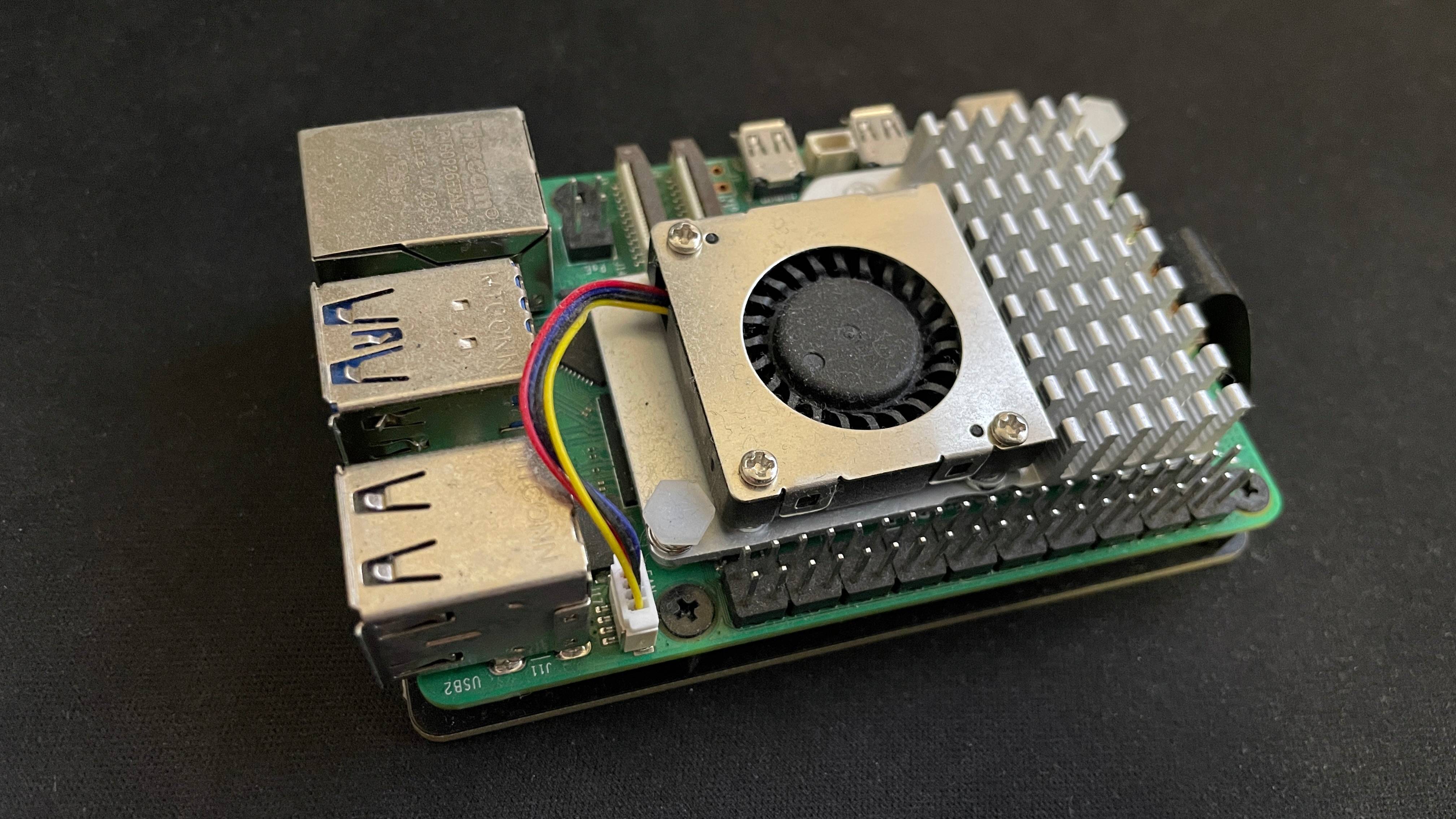
At this point, it’s becoming evident that anything related to memory is likely to face price increases due to the ongoing RAM shortage. Even Raspberry Pi, typically known for their stable pricing, has announced a rise in costs for their computers, underscored by the difficulties posed by the memory supply crisis.
Adjusted Prices
The price adjustments are especially notable considering the Raspberry Pi’s pricing consistency over the years. Here are the updated prices:
| Product | Memory | Old Price | New Price | Increase |
|---|---|---|---|---|
| Raspberry Pi 4 | 4 GB | $55 | $60 | 9% |
| Raspberry Pi 4 | 8 GB | $75 | $85 | 13% |
| Raspberry Pi 5 | 1 GB | – | $45 | – |
| Raspberry Pi 5 | 2 GB | $50 | $55 | 10% |
| Raspberry Pi 5 | 4 GB | $60 | $70 | 17% |
| Raspberry Pi 5 | 8 GB | $80 | $95 | 19% |
| Raspberry Pi 5 | 16 GB | $120 | $145 | 21% |
The most significant increases are seen in the 4GB and 8GB configurations of the Raspberry Pi 5, likely due to the higher memory costs associated with upgraded components.
Market Impact
As all memory-intensive devices face price hikes, the Raspberry Pi may still remain a cost-effective option compared to competing devices, despite the increases.
Predictive analyses suggest that the ongoing memory supply issues might extend beyond 2028. For now, Raspberry Pi aims to reassure its customers that these challenges are “painful but ultimately temporary.”
For anyone looking to retain their budget during these fluctuations, it’s evident that this period may demand a re-evaluation of expected equipment costs throughout the tech market.